
Editing 101: House Style
If you’re new to the world of editing—or you’ve simply heard the term “house style” batted around before—you may be wondering what in the world is it?
And why is it important?
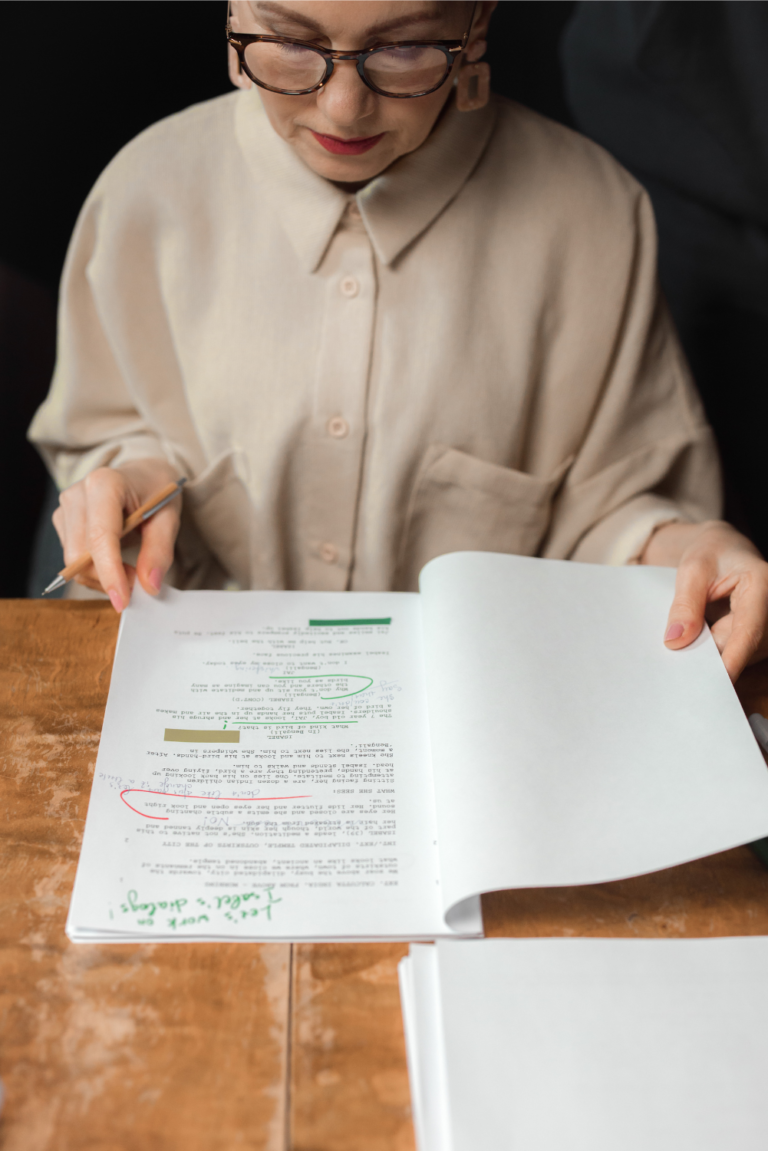
Editors follow style guides when editing created content. It’s not simply about checking for spelling and grammatical errors—editors have to make sure to adhere to specific rules set forth by the company or entity for which they’re editing. These rules are called “house style.” ThoughtCo offers an excellent explanation of what exactly house style is:
The expression “house style” refers to the usage and editing conventions followed by writers and editors to ensure stylistic consistency in a particular publication or series of publications (newspapers, magazines, journals, websites, books).
For example, a company or publisher may ask you to adhere to their specific house style for logo usage, font choice and size, or how to curate their social media content. They may instruct you on which words they prefer to capitalize, how to format specific dates, or when (and when not) to use italics when editing their resources.
Looking back over my career in both corporate America and the non-profit sector, most companies and publishers I’ve worked for have granted me access to their house style guide at the beginning of a project. For some I’ve worked for, I’ve actually been asked to compile and create their house style guide. And for others, I’ve simply been asked to adhere to AP Style, Chicago Manual of Style, or the Christian Writer’s Manual of Style (more on these 3 later in a separate blog post).
When taking on a new writing or editing project, it’s always best to ask up front if there’s a style guide you need to follow when editing their content. And if you’re a small business owner or entrepreneur setting up your business, creating your own house style will go a long way to ensuring cohesive message branding and success for you moving forward.